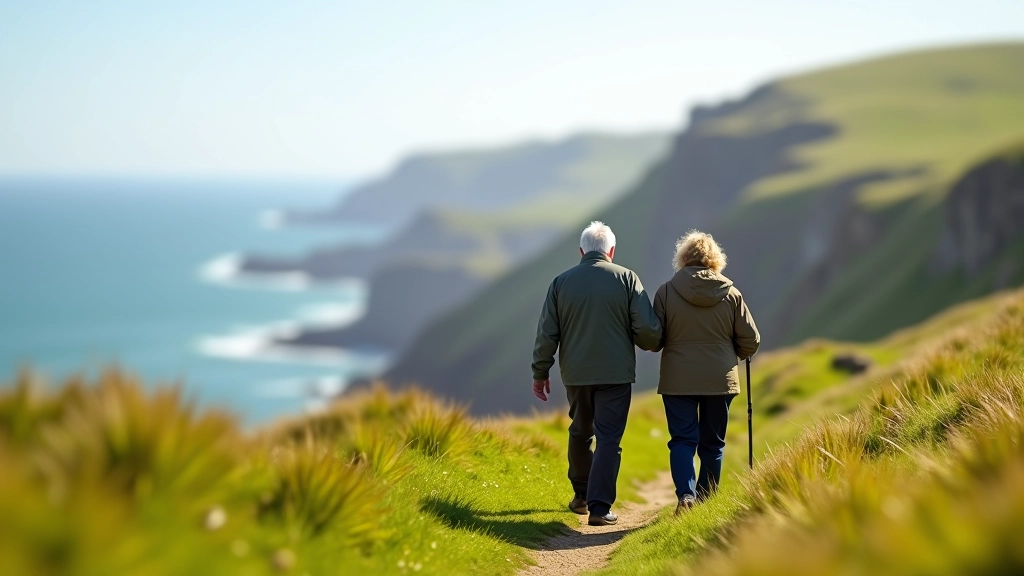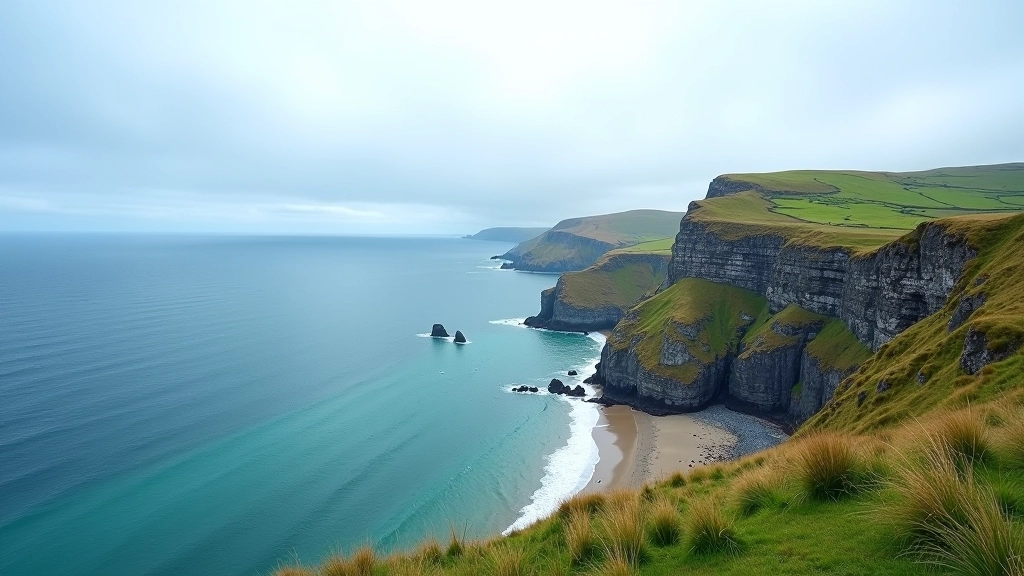
Cliff edge walking is one of the most rewarding experiences you can have in Donegal. The views are absolutely stunning — windswept headlands, crashing waves, and that feeling of being on the edge of the world. But here's the thing: you've got to respect the cliffs. They're beautiful and they're dangerous. We've been taking people on these routes for years, and the ones who enjoy themselves most are the ones who come prepared.
The Right Footwear Makes All the Difference
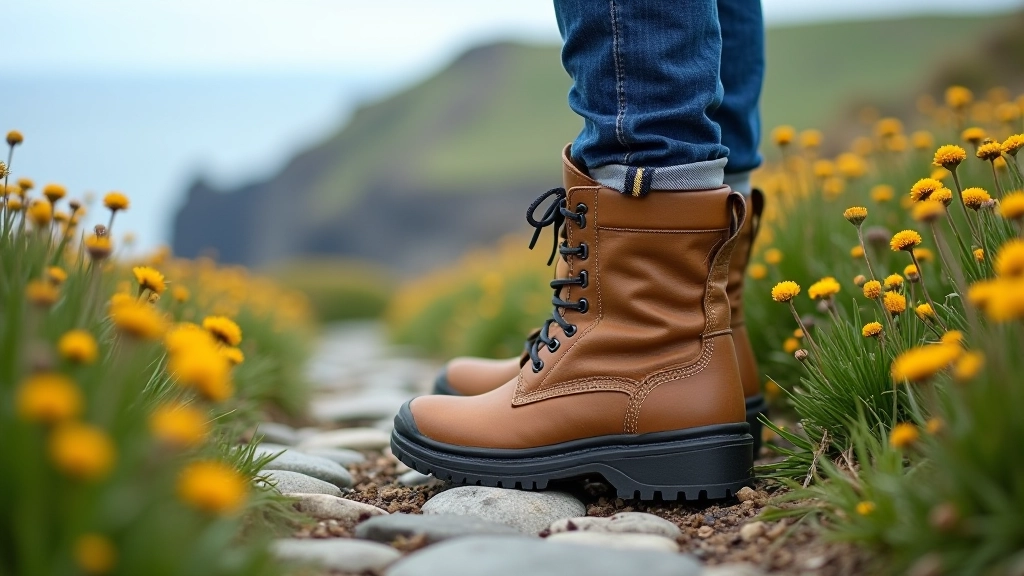
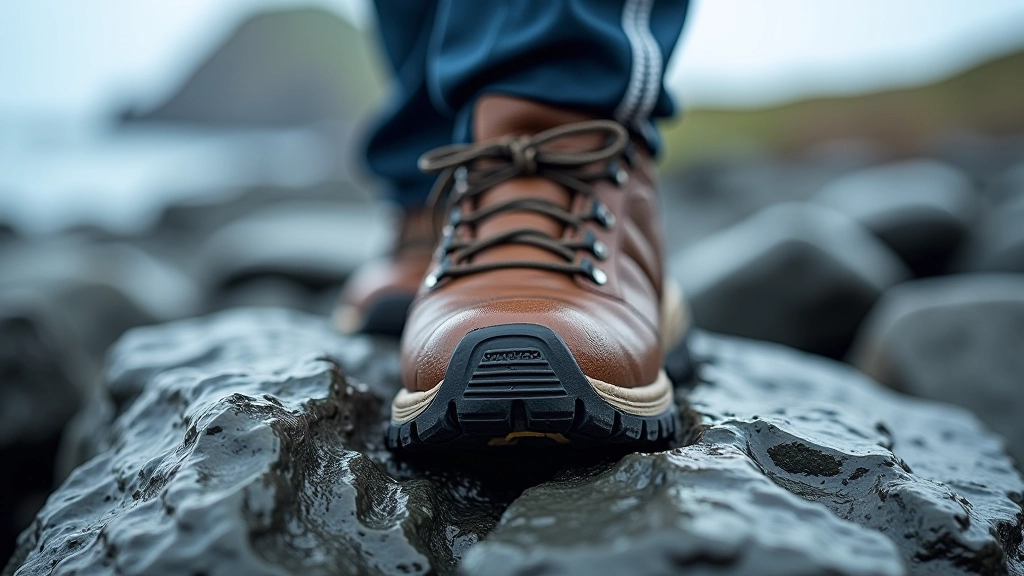
Your feet are your foundation. Seriously. I've seen people try coastal walks in trainers meant for the gym — they slip, they get frustrated, and they don't enjoy the experience. That's not what we want.
What you need: hiking boots with proper ankle support and a sole designed for wet, rocky terrain. Look for boots with deep tread patterns — the kind that grips even when it's damp. Merrell, Salomon, and Scarpa make solid options. Don't go cheap here. A pair that costs €120-150 will last you years and keep your ankles safe on uneven ground.
Break them in before you come. Wear them around the house, on a short walk, anywhere. New boots on a cliff edge? That's asking for blisters and a miserable day. We've learned this the hard way.

Weather Changes Quickly Out There
This is the one thing people underestimate. You'll start your walk at 10 a.m. with blue sky overhead. By 11:15, you're walking into mist that's rolled in from the Atlantic. It happens fast.
Always check the forecast before you go — not just a quick glance, but actually read it. Wind speed matters. On the Fanad Head routes, wind gusts of 40+ mph are dangerous near exposed edges. I'm not being dramatic. The cliffs are exposed, there's nothing to break the wind, and if you're not careful, a gust can knock you off balance.
Bring a waterproof layer even if the forecast looks clear. A lightweight rain jacket takes up almost no space in your rucksack, and you'll be grateful when a shower moves through. We're talking €30-50 for something decent.
Safety Disclaimer
This article provides general educational information about cliff edge walking safety. It's not a substitute for professional guidance. Coastal walking carries inherent risks including falls, unpredictable weather, and changing sea conditions. Always consult with local guides, check weather forecasts, and assess your own fitness and experience level before attempting any coastal route. Conditions can change rapidly. When in doubt, turn back.
Stay Back From the Edge — Really
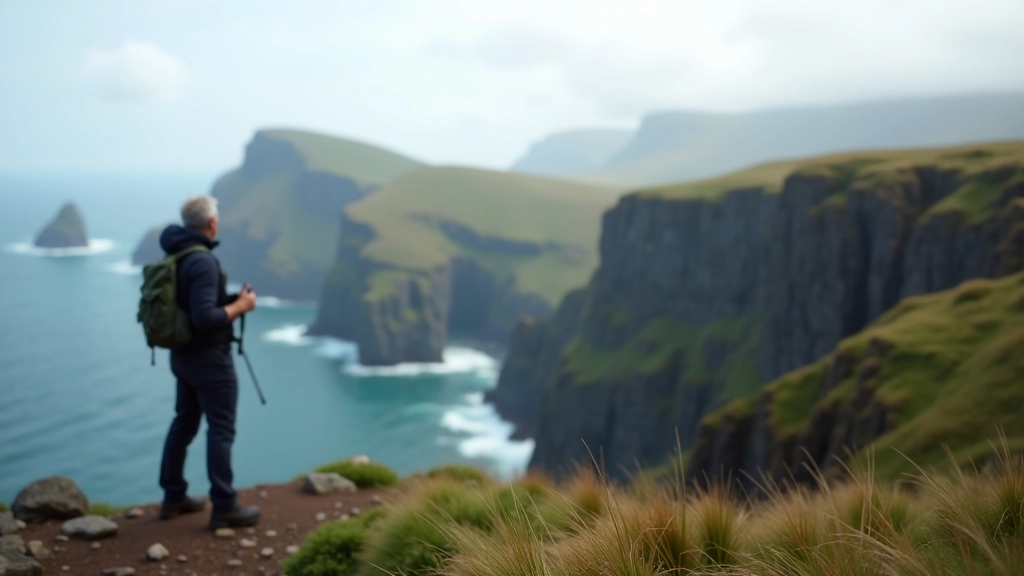
There's a reason we always tell people to stay at least 2-3 meters back from the cliff edge. It's not just for the photos. The ground isn't always stable. Sections of cliff can crumble without warning — the soil's been loosened by rain, wind erosion has done its work, and suddenly what looked solid gives way.
I've been leading these walks for over a decade, and I've seen cliff sections collapse during a walk. Nobody was hurt because we maintain that distance. The views are just as good from 3 meters back, and you're not gambling with your life.
The rule: If you can't see someone standing safely between you and the edge, you're too close.
Pack the Essentials — You'll Thank Yourself
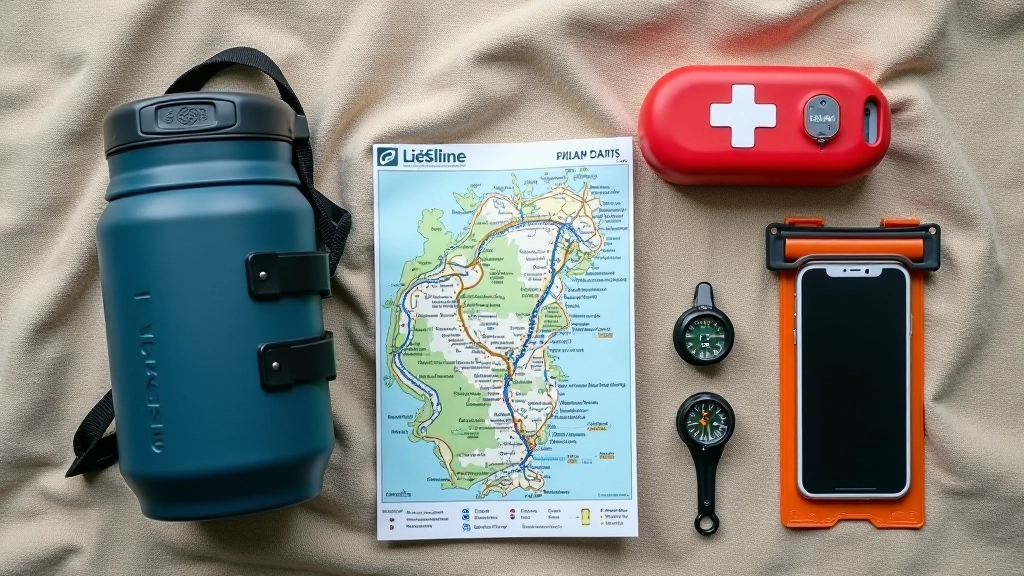
You don't need much, but what you bring needs to be right. Water is non-negotiable. At least 1.5 liters, more if it's warm. Dehydration makes you clumsy, and that's the last thing you want on uneven terrain.
A basic first aid kit — plasters, pain relief tablets, antiseptic wipes, blister treatment. A charged phone in a waterproof case. A map of the area. You don't need GPS necessarily, but you should know where you are.
Tell someone where you're going and when you'll be back. Not kidding. A text to a friend saying "Starting the Fanad loop at 10 a.m., should be done by 2 p.m." takes 10 seconds and could be genuinely important if something goes wrong.
The Real Point
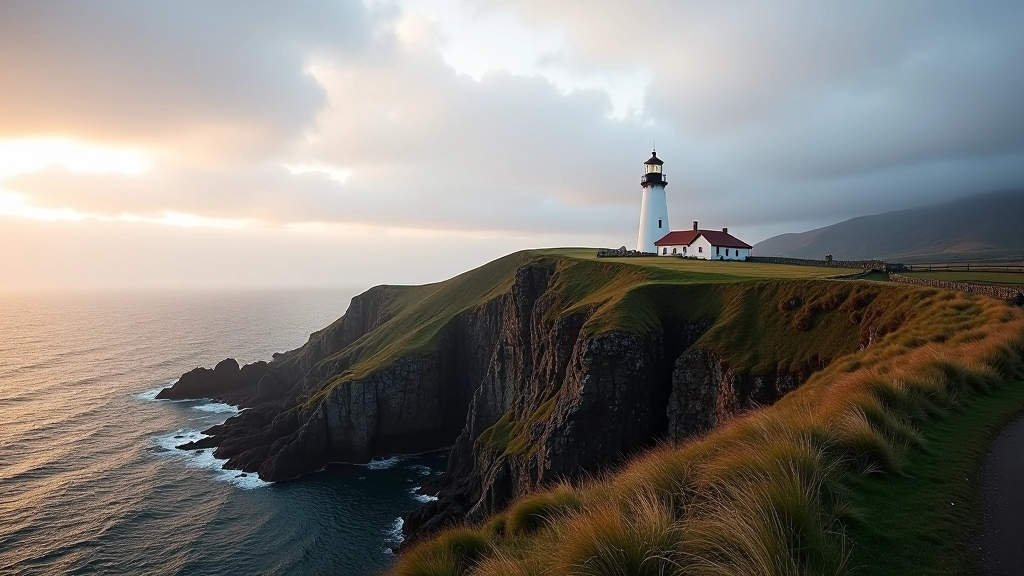
We don't tell you all this to scare you away from the cliffs. Quite the opposite. We want you out there enjoying some of the most beautiful coastal scenery in Ireland. The cliffs at Fanad Head are genuinely special — the way the light hits the water, the seabirds, the sense of wildness. It's worth experiencing.
But you've got to be smart about it. Proper boots, weather awareness, staying back from the edge, and carrying essentials. These aren't restrictions — they're the things that let you walk confidently and enjoy the experience fully. You'll see more, feel more, and actually remember the day for all the right reasons.
We've been guiding people on these routes for years. The visitors who come back — who tell us it was one of the best days they've had — are the ones who came prepared. That's what this is about.